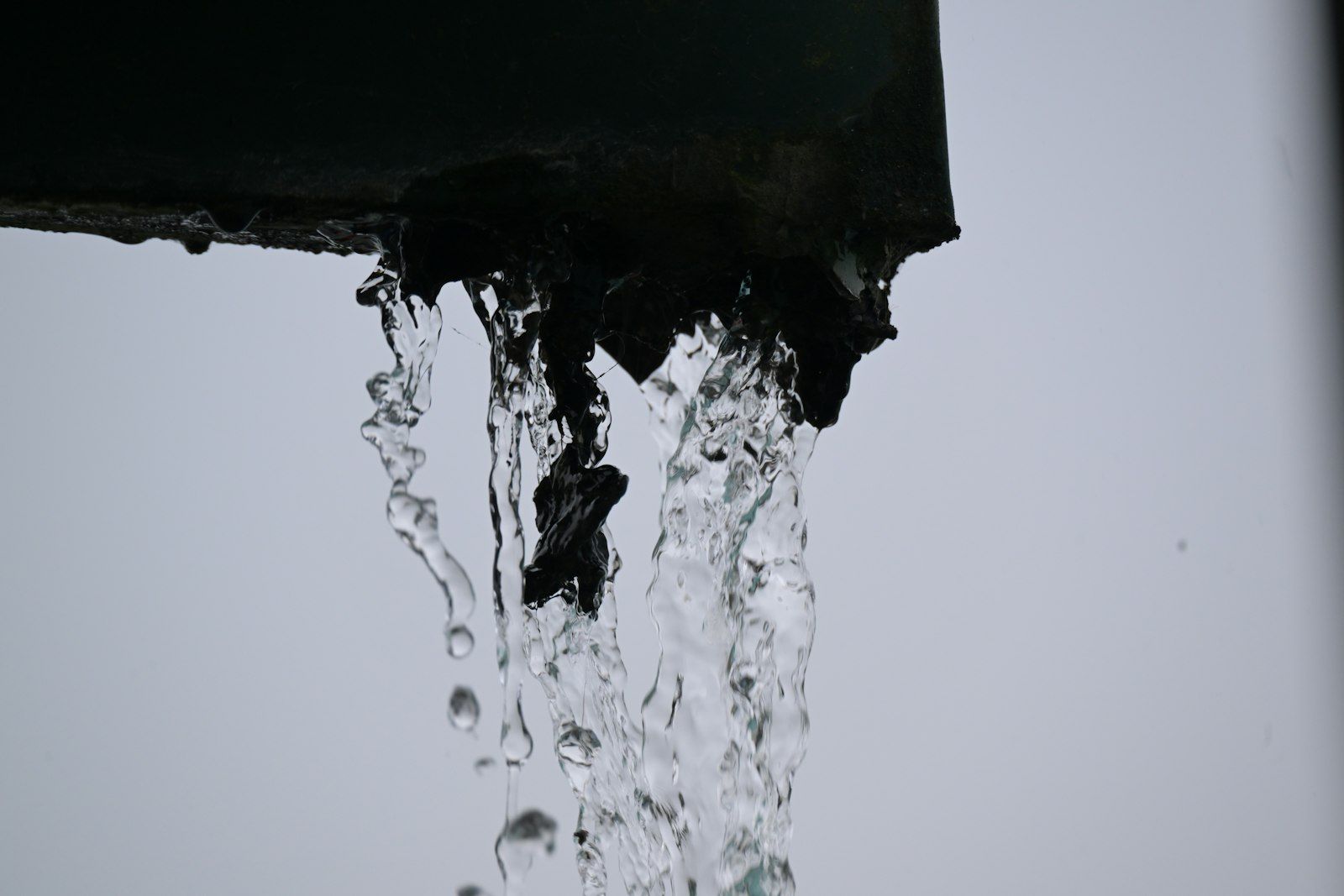
How storm water gets in
In Puyallup, storm damage usually comes from rain that keeps going for days. After an atmospheric river, water finds every weak spot:
- Roof leaks around flashing, vents and skylights, showing up as stains or drips on ceilings.
- Gutters packed with fir needles that spill water down the siding and into the crawl space.
- Surface water running toward the house on lots graded the wrong way.
- Window wells and garage floors that fill up.
- In low areas near the river and creeks, water rising from outside.
A crew can dry the inside of the house and document the damage. Roof and gutter repairs are usually handled by a roofer.
Flood water needs extra care
Water that comes from outside, from a river, a creek or street runoff, picks up soil, fuel and sewage on the way. Restoration crews treat it like contaminated water. That means removing wet drywall and insulation to above the water line, cleaning and disinfecting what stays, and drying the structure fully before rebuilding.
Do not go back into a flooded house until local officials say it is safe, and keep away from electrical panels that got wet.
Puyallup storms and the river
The Puyallup River runs from Mount Rainier's glaciers through Orting, Puyallup and Sumner to Commencement Bay. Levees line much of the lower river. When heavy rain hits the mountains, the river rises fast. The National Weather Service's flood stage at the Puyallup gauge is 26.2 feet, and at that level low-lying ground floods from just west of the Meridian bridge upstream to the east end of Sumner. The river crested near 30 feet in February 1996 and again in January 2009.
Most storm calls in town are smaller than a river flood. A storm parks over the Sound for a few days, gutters overflow, a roof starts dripping over a bedroom, or a crawl space fills with groundwater. Clarks Creek and the low streets in the valley also back up when it rains hard for long enough.
Whatever the source, the quicker drying starts, the less has to come out of the walls.