Why sewage cleanup is different
Sewage carries bacteria and viruses that soak into anything porous. Carpet, pad, drywall and insulation that sewage touches usually cannot be cleaned well enough to keep. A sewage crew will:
- Wear protective gear and set up so they do not track contamination through the house.
- Remove the sewage and the wet porous materials it touched.
- Clean and disinfect hard surfaces like concrete, tile and framing.
- Dry everything and check moisture before rebuilding starts.
Keep kids and pets away from the area. Do not try to clean sewage with a household vacuum, and do not run fans that blow air from the contaminated room into the rest of the house.
What to do right now
- Stop using water anywhere in the house. Every flush, shower and load of laundry adds to the backup.
- Shut off the HVAC if the return is near the affected area.
- Take photos before anything gets moved.
- If sewage came up during heavy rain, mention that on the call. It helps the crew figure out whether the problem is your line or the city main.
Sewage backups in Puyallup homes
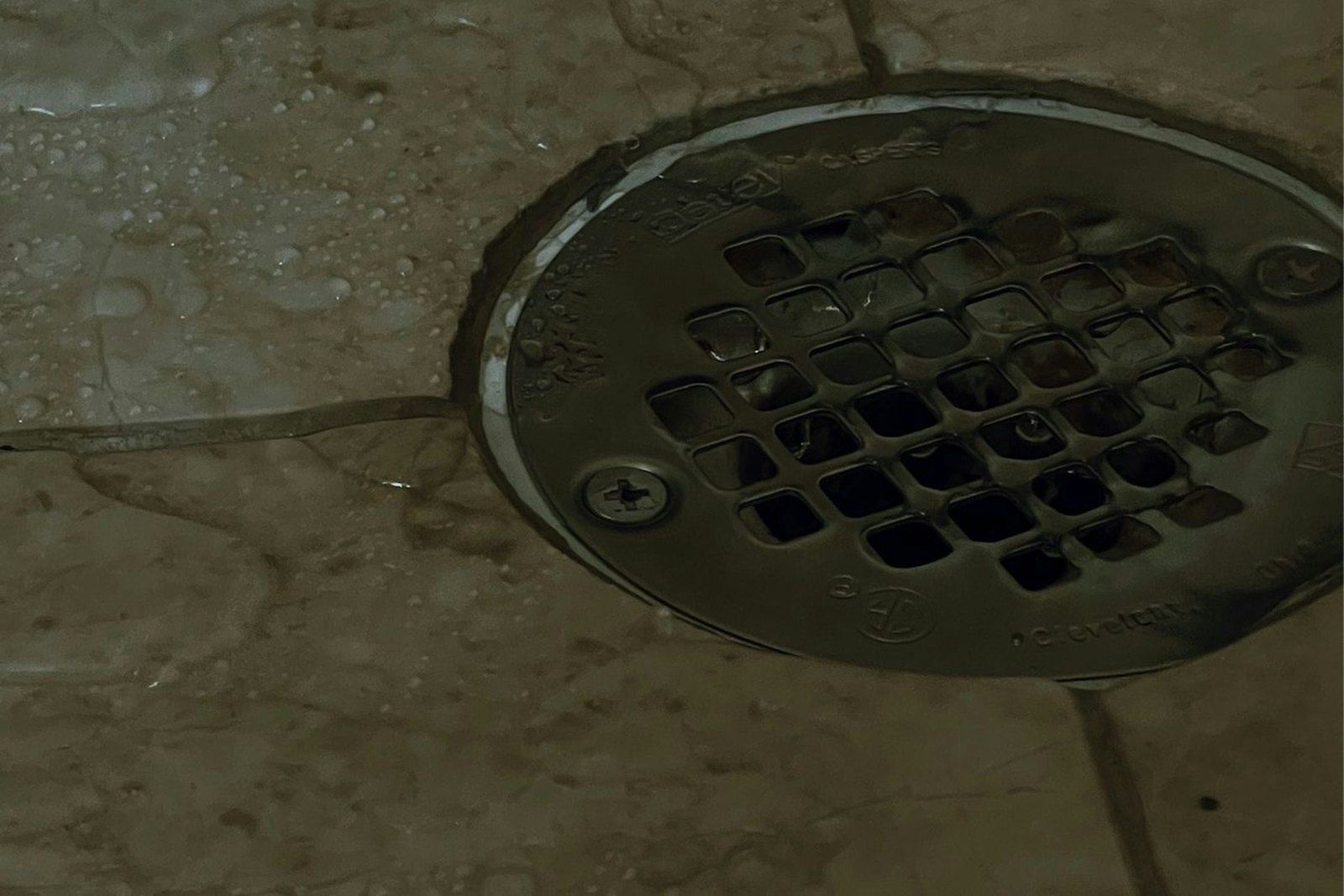
In older parts of town, side sewers often date back decades and can be clay or cast iron. Roots from big street trees work into the joints, and an older line can sag or crack. Those homes tend to see backups through the lowest drain in the house, often a floor drain, a basement toilet or a laundry sink.
Homes on septic systems around the edges of Puyallup, South Hill and Graham have their own version of the problem. A full tank or a soaked drain field during a long wet stretch can push wastewater back into the house.
Heavy rain can make either problem worse. If a backup lines up with a big storm, the company you reach can help you sort out the cause, and a plumber or the city can check the line.