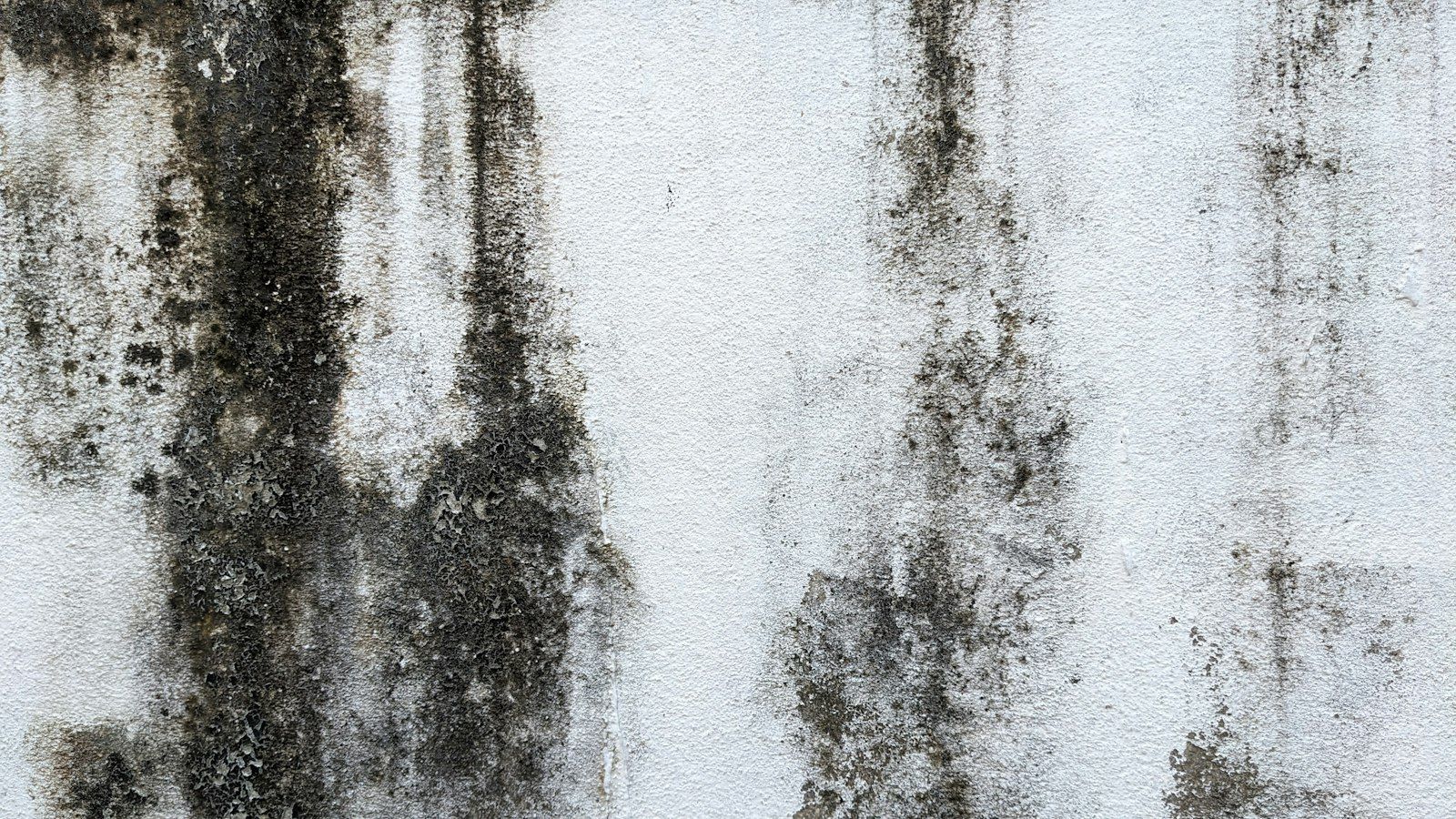
Signs the crawl space has water
Most people never go under the house, so crawl space water usually shows up as something else first:
- A musty or earthy smell inside, worst on damp days.
- Floors that feel soft, cold or bouncy, or hardwood that starts to cup.
- Condensation on windows that will not clear.
- Insulation hanging down from the floor joists, or a vapor barrier floating on water when you open the hatch.
- A sump pump that runs all the time, or one you can hear running when it has not rained.
After a long run of rain, groundwater can rise into a crawl space even when nothing is broken. A broken pipe, a split drain line or a downspout dumping against the foundation will do it faster.
What a crawl space cleanup includes
- Pumping out standing water and finding where it is getting in.
- Pulling wet fiberglass insulation. Once it soaks through, it stays heavy and does not dry well.
- Replacing the plastic vapor barrier on the ground if it is torn, buried or covered in mud.
- Drying the joists and subfloor with dehumidifiers and air movers, and taking moisture readings until the wood is back to normal.
- Cleaning and treating mold on framing when it is present.
Many crews can also tell you about drainage fixes like a sump pit, perimeter drain or regrading. That work is separate, and you can decide on it later.
Why Puyallup crawl spaces get wet
Western Washington gets most of its rain from October through March, and it often comes as weeks of steady drizzle broken up by atmospheric river storms. By midwinter the ground around a house stays soaked. In the Puyallup Valley the water table already sits close to the surface, so homes near the river, Clarks Creek and the low streets north of downtown are the first to see water collect under the floor.
South Hill homes sit higher, but plenty of them were built on crawl spaces too. There the usual problems are clogged gutters, downspouts that drain right at the foundation, and lots graded toward the house. Fir needles fill gutters fast in fall, and an overflowing gutter can pour water into a crawl space all winter.
Damp air under the house is how mold gets started. Wood that stays wet for a few weeks in a dark, closed crawl space will usually grow it, which is why drying the space matters as much as pumping it out.